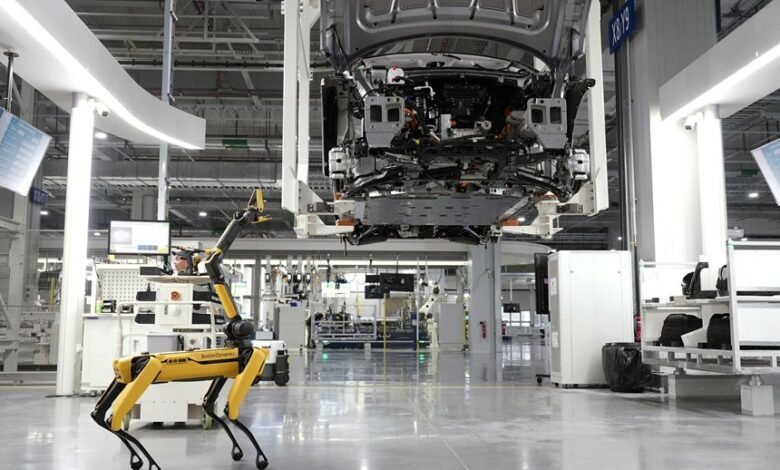
The Smart Automation System 673828226 has emerged as a pivotal tool for enhancing operational efficiency across multiple sectors. Its user-friendly interface and advanced analytics capabilities enable organizations to optimize workflows and make informed decisions. However, like any system, it is not without limitations. A closer examination of its key features, real-world applications, and the challenges it faces will provide a deeper understanding of its overall impact on industry performance.
Key Features of the Smart Automation System 673828226
While many automation systems offer a range of functionalities, the Smart Automation System 673828226 distinguishes itself through its advanced features designed to enhance operational efficiency.
Its intuitive user interface facilitates seamless interactions, empowering users to navigate complex processes effortlessly.
Furthermore, robust integration capabilities allow for the synchronization of various systems, ensuring cohesive operations and maximizing flexibility in adapting to diverse industrial environments.
How Does the System Enhance Operational Efficiency?
As organizations strive for greater productivity, the Smart Automation System 673828226 enhances operational efficiency through a combination of real-time data analytics and adaptive workflows.
This system facilitates process optimization, allowing for the identification of bottlenecks and inefficiencies.
Furthermore, its advanced resource management capabilities ensure optimal allocation of assets, ultimately leading to reduced operational costs and improved overall performance in dynamic business environments.
Limitations and Challenges of the Smart Automation System
Although the Smart Automation System 673828226 offers significant benefits, it is not without its limitations and challenges.
System reliability can be compromised by unforeseen technical failures, leading to operational disruptions.
Additionally, user adaptability varies among individuals, impacting overall system effectiveness.
These challenges necessitate ongoing training and support to enhance user engagement and ensure consistent performance across diverse operational environments.
Real-World Applications and Success Stories
Despite the limitations and challenges associated with the Smart Automation System 673828226, numerous real-world applications demonstrate its potential for operational efficiency and innovation across various industries.
Case studies reveal significant improvements in manufacturing throughput and logistics optimization.
Industry examples, such as automated quality control in pharmaceuticals and predictive maintenance in energy, underscore the system’s versatility and effectiveness, showcasing tangible benefits realized by organizations.
Conclusion
In conclusion, the Smart Automation System 673828226 serves as a digital compass, guiding organizations through the complex landscape of operational challenges. While its advanced features illuminate pathways to efficiency and productivity, potential limitations cast shadows that warrant careful consideration. As industries continue to navigate the intricate dance of automation, this system stands as a beacon of innovation, symbolizing the transformative power of technology in optimizing processes and fostering adaptability in an ever-evolving marketplace.